
The Origin Story
Sri Lankan Spices — Heritage, Flavour, and Origin
An island with spice running through its history
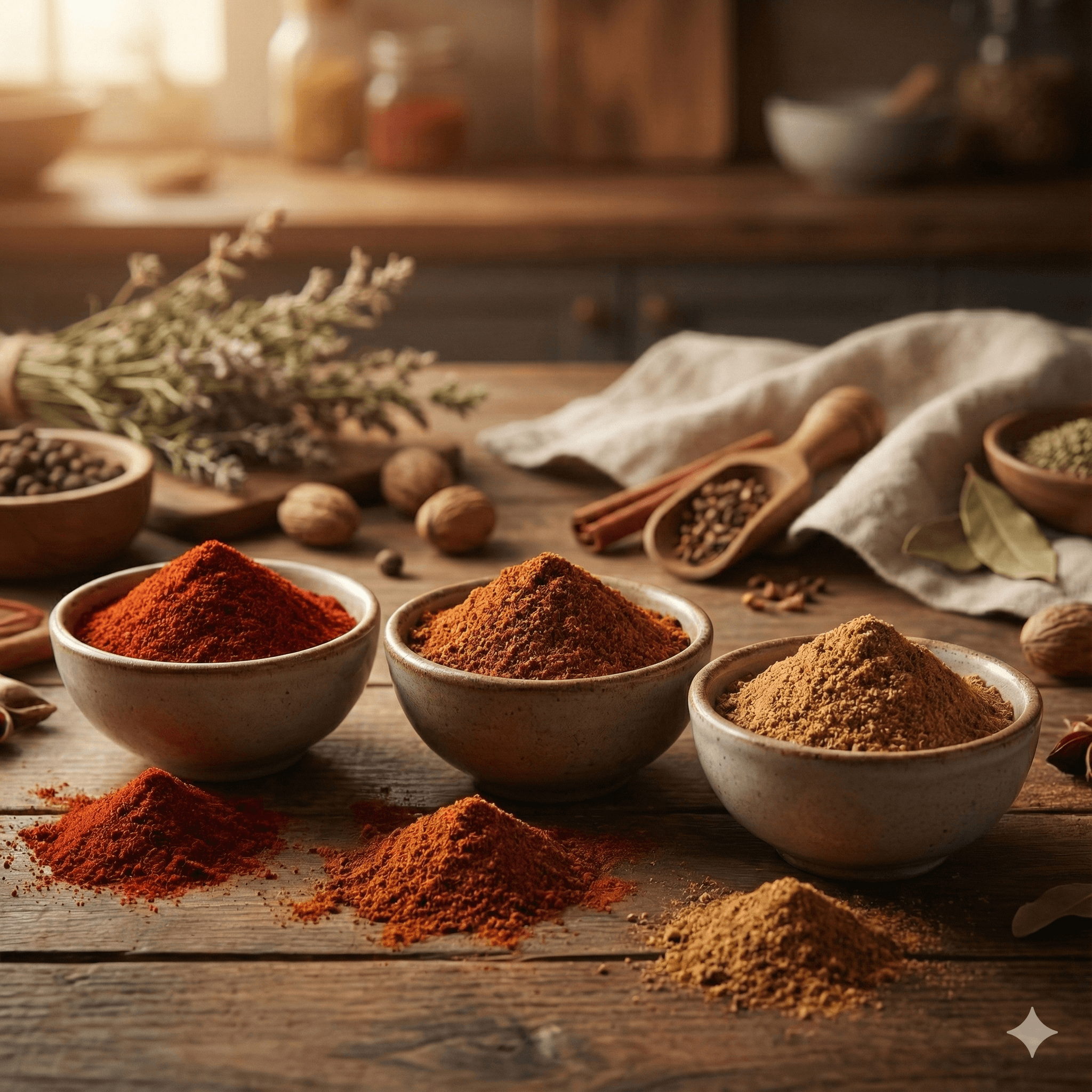
Sri Lanka — historically called Ceylon by European traders — has been one of the world’s most important sources of spices for over two thousand years. Arab traders, Portuguese navigators, Dutch colonists, and British merchants all came to the island partly because of its spices.
Cinnamon was Sri Lanka’s most famous export, but the island also produced black pepper, cloves, cardamom, and nutmeg. These were not minor exports — they shaped trade routes, wars, and empires. The reason Ceylon spices commanded such prices was simple: they tasted different.
Climate and geography
Sri Lanka sits just north of the equator in the Indian Ocean. Its tropical climate — warm and humid year-round, with distinct wet and dry seasons — creates ideal conditions for spice cultivation.
The island’s interior hill country, rising to over 2,500 metres, provides elevation and cooler temperatures that slow growth and concentrate flavour. Black pepper grown in these conditions develops a sharper, more complex heat than lowland-grown varieties.
The combination of volcanic soils, rainfall patterns, and island biodiversity creates what winemakers would call terroir — a sense of place embedded in the flavour of the product.
A spice trade that shaped the world
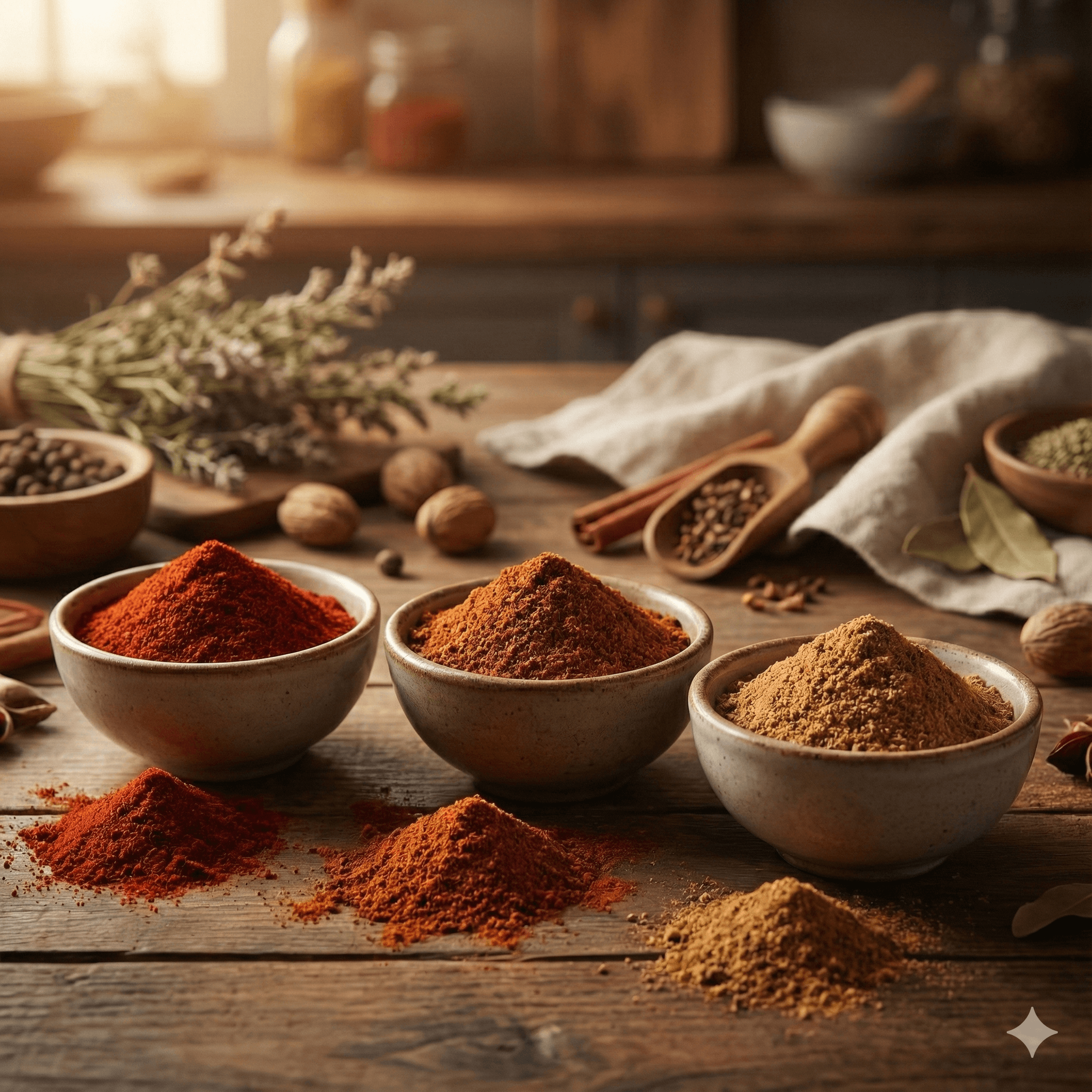
The spice trade was one of the defining economic forces in human history, and Sri Lanka sat at its centre. Arab merchants controlled trade routes to Europe for centuries, deliberately obscuring the origin of spices to maintain their monopoly.
When Portuguese explorer Vasco da Gama rounded Africa and reached the Indian Ocean in 1498, one of his primary objectives was finding the source of the spices. Ceylon was a key prize. The Dutch followed, then the British — each drawn to the island partly by the value of its spices.
That history is not just background. It explains why Sri Lankan spice cultivation has been so long-established and why the knowledge of how to grow and process them is so deeply embedded in the island’s culture.
What makes Sri Lankan spices distinctive
The difference between Sri Lankan spices and commodity equivalents is not marketing. It is measurable in aroma, flavour depth, and the way the spice behaves in cooking.
Sri Lankan black pepper, for example, has a clean, sharp heat with citrusy top notes. Generic peppercorns from mixed sources often taste flat by comparison. Sri Lankan cloves are intensely fragrant — almost numbing in their aromatic intensity. And Sri Lankan curry powders carry a complexity that comes from using spices that were grown with their flavour as the priority, not their yield.
This does not mean Sri Lankan spices are exotic or difficult to cook with. They are made for everyday cooking. They just make everyday cooking taste better.
Serendiva Isle’s spice range
A curated selection of Sri Lankan spices for everyday cooking. Each one sourced directly, honestly described.
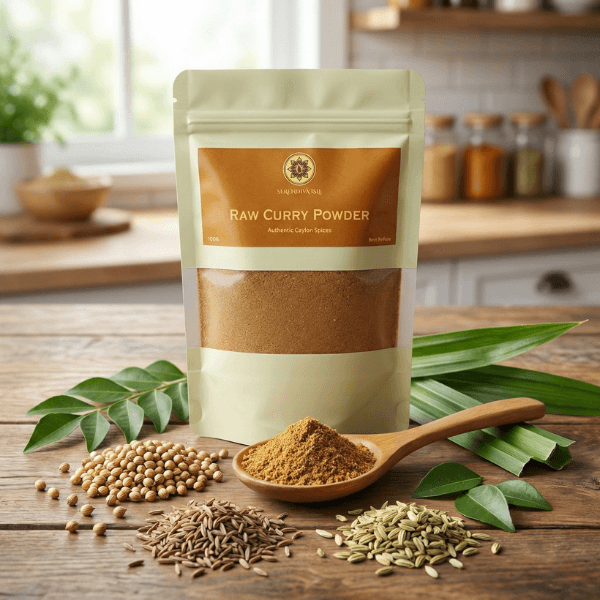
Ceylon Raw Curry Powder
The foundation of Sri Lankan home cooking.
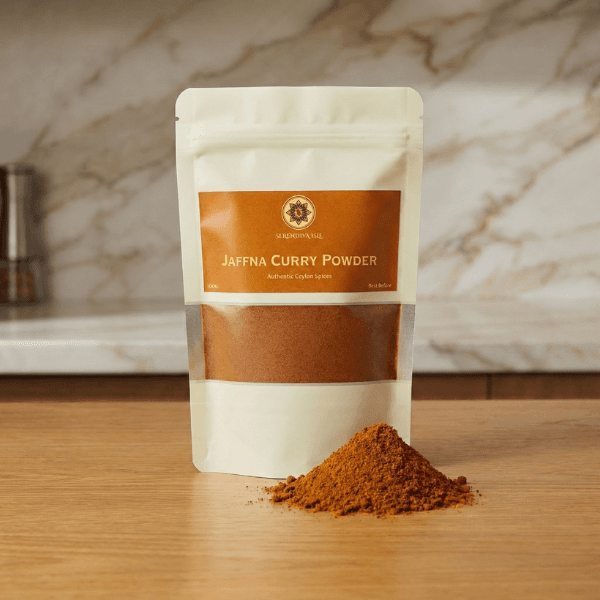
Ceylon Jaffna Curry Powder
Dark-roasted. Deeply aromatic. Distinctly northern Sri Lankan.
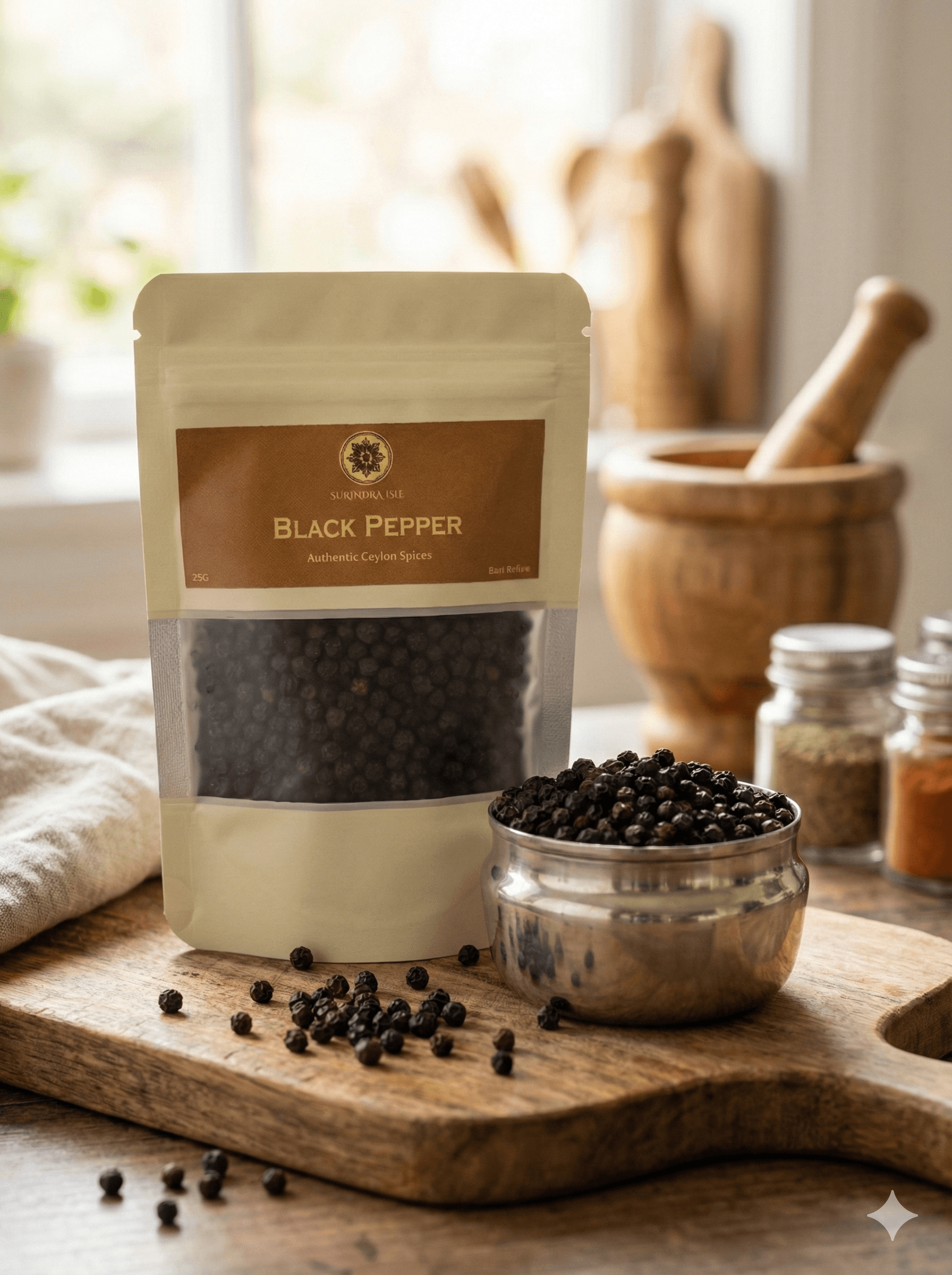
Ceylon Black Pepper Seeds
Whole peppercorns from Sri Lanka.
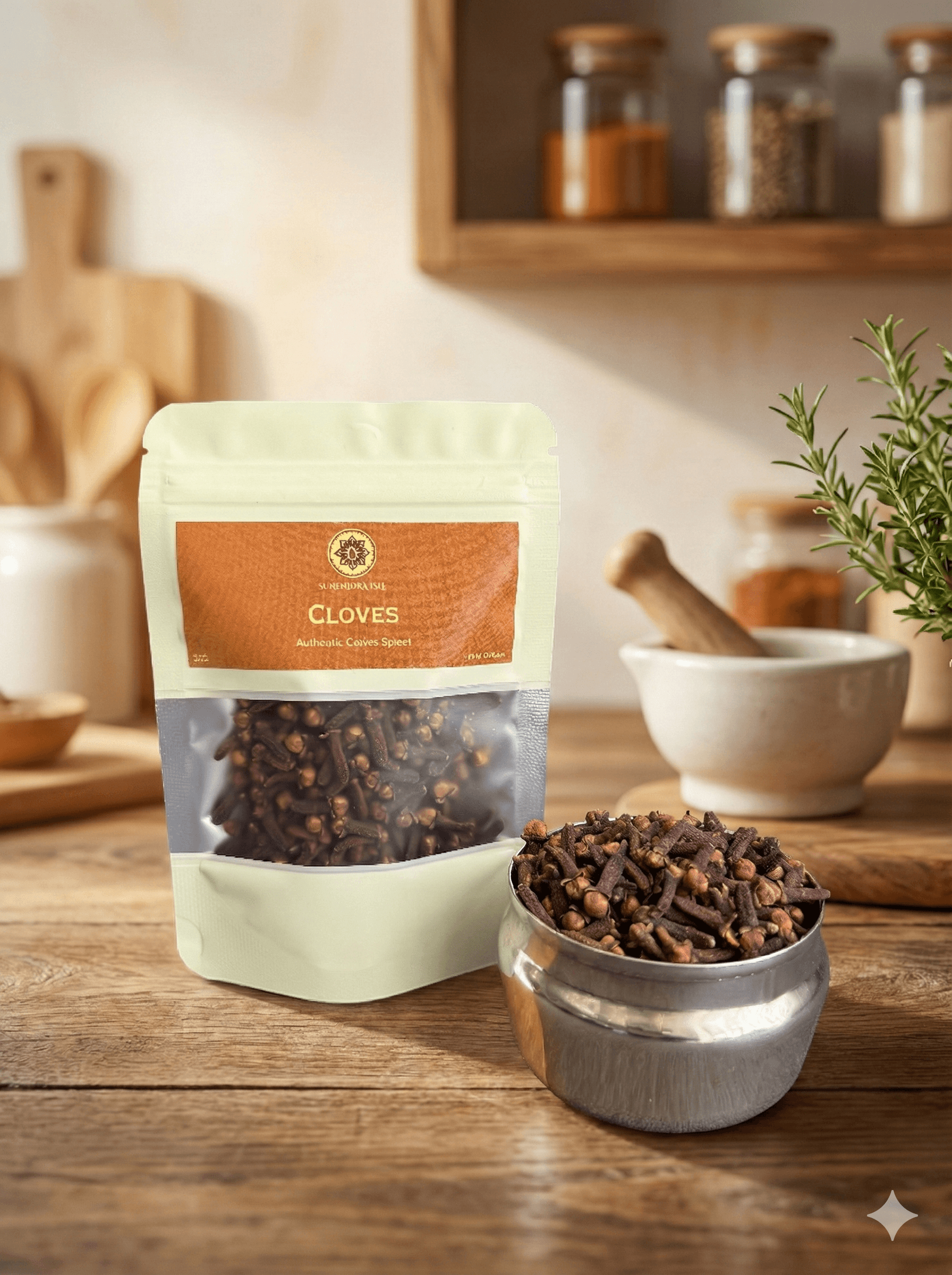
Ceylon Cloves
A spice at the heart of Sri Lankan heritage.
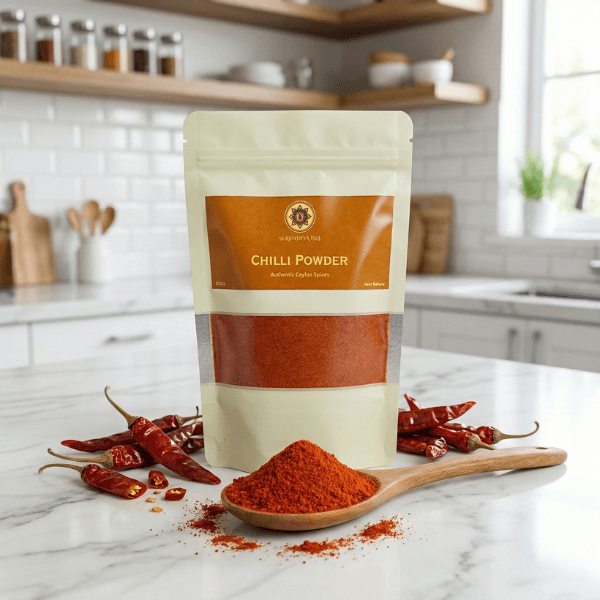
Ceylon Chilli Powder
Sri Lankan red chillies — vivid colour, real heat.