Spice Education
Ceylon True Cinnamon vs Cassia Cinnamon: What's the Difference?
Not all cinnamon is the same. Learn how Ceylon true cinnamon differs from cassia cinnamon in appearance, flavour, texture, and everyday cooking.
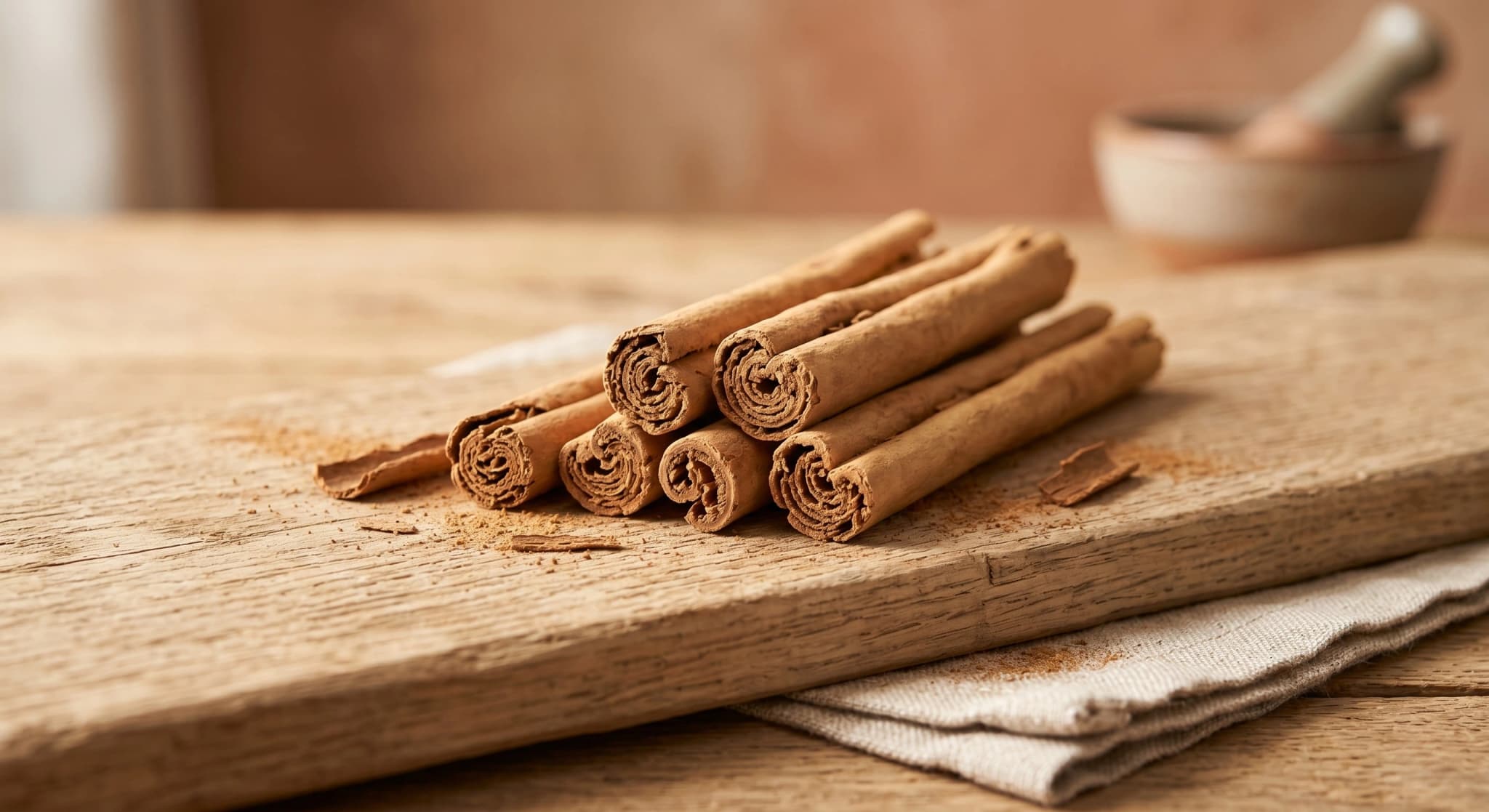
Many people are surprised to learn that not all cinnamon is the same.
In everyday shopping, the word cinnamon is often used as though it refers to one single spice. In reality, what most people see sold as cinnamon can fall into two different categories: Ceylon cinnamon and cassia cinnamon. They may look similar at a glance, and both are used in cooking, baking, and drinks, but they are not the same product.
Once you know what to look for, the difference becomes much easier to recognise.
Ceylon cinnamon, often referred to as true cinnamon, is known for its delicate layered structure, refined aroma, and softer flavour. Cassia cinnamon, which is more commonly found in many supermarkets around the world, is usually thicker, darker, and stronger in taste.
At Serendiva Isle, we bring Ceylon cinnamon from Sri Lanka to Malaysia because we believe people should be able to experience cinnamon in its true form. This article explains what sets it apart, why it matters, and how to tell the difference when you are buying cinnamon for your kitchen.
What is Ceylon cinnamon?
Ceylon cinnamon comes from Sri Lanka, a country long associated with high-quality spice cultivation. Historically known as Ceylon, the island built a reputation over centuries for producing cinnamon that was prized for its quality, aroma, and character.
This is why Ceylon cinnamon is often called true cinnamon.
What makes it stand out is not just where it comes from, but the nature of the bark itself. Ceylon cinnamon quills are made from very thin inner bark layers that are rolled together. This gives them a distinctive appearance and a much more delicate texture than cassia cinnamon.
It is also known for a flavour that is more balanced and refined. Rather than hitting with one strong note, Ceylon cinnamon tends to bring warmth in a gentler, more elegant way. It adds character without overpowering everything else in the dish.
For people who cook often, especially those who enjoy subtle flavour rather than harsh spice, the difference is noticeable.
What is cassia cinnamon?
Cassia cinnamon is the type most people have likely come across without even realising it. In many markets, shops, and supermarkets, cinnamon is sold simply as cinnamon without clearly stating the variety. Quite often, that product is cassia.
Cassia cinnamon is generally made from a thicker layer of bark. Instead of the many soft, paper-thin layers seen in Ceylon cinnamon, cassia tends to form a harder stick with a single thick curl. It is tougher, denser, and more woody in structure.
Its flavour is also stronger and more aggressive. Some people prefer that intensity, especially in certain baked goods or recipes where a bold cinnamon hit is expected. But it is a very different experience from Ceylon cinnamon.
This is where a lot of confusion begins. If someone grows up tasting cassia and assumes that is what cinnamon is supposed to be, they may not realise that true cinnamon has a lighter, more delicate profile.
How to tell the difference visually
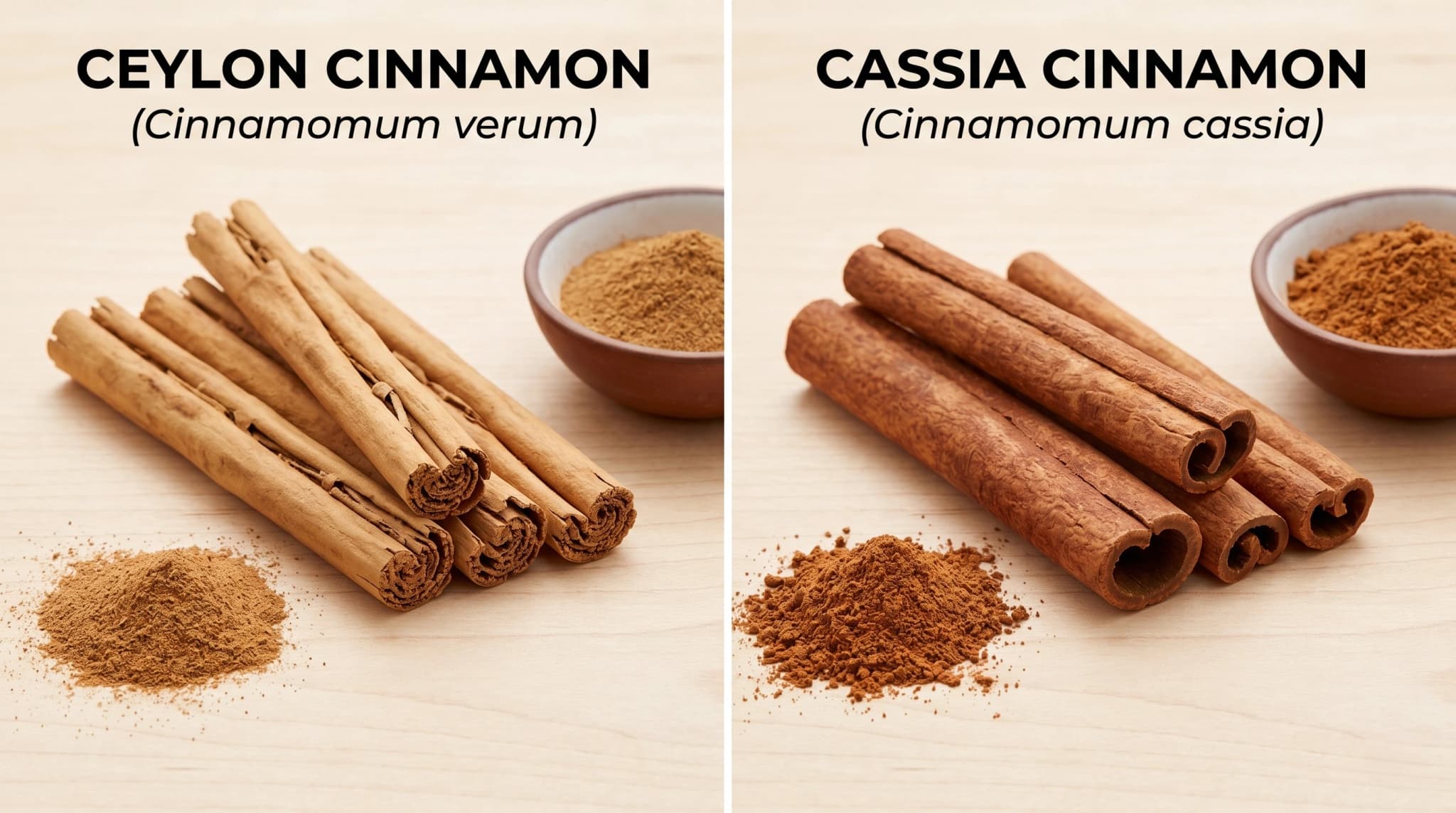
The biggest difference between Ceylon cinnamon and cassia cinnamon is visual.
If you place them side by side, Ceylon cinnamon is usually easy to identify once you know what to look for.
- Ceylon cinnamon quills are made up of many thin, soft layers.
- Cassia cinnamon sticks are usually formed from a thicker, harder bark.
- Ceylon cinnamon is lighter, more delicate, and easier to break by hand.
- Cassia is darker, denser, and more rugged in appearance.
This visual difference is one of the clearest signs of authenticity. Real Ceylon cinnamon should not look like a thick hard stick. It should look layered, fine, and almost papery in comparison.
Flavour and aroma: refined vs bold
The difference is not only visual. It becomes even more obvious when you smell or taste them.
Ceylon cinnamon has a flavour that is soft, warm, and gently aromatic. It feels more nuanced. Rather than dominating a dish, it blends into it and adds depth. It works beautifully in recipes where you want cinnamon to contribute fragrance and warmth without being harsh.
Cassia cinnamon, on the other hand, is typically stronger, sharper, and more pungent. Its flavour is bolder and more forceful. In some recipes that may be the effect people want, but it can also flatten other flavours if used heavily.
A useful way to think about it is this: Ceylon cinnamon brings elegance, while cassia cinnamon brings intensity.
Texture and structure matter too
Texture is another part of the difference that often gets overlooked.
Because Ceylon cinnamon is made from thin inner bark layers, it is more delicate. It can be broken more easily and has a less woody feel. Cassia, by contrast, is much harder and more rigid.
That matters not only in appearance, but also in handling and in how people experience the spice as a whole. Ceylon cinnamon feels closer to what many people imagine a premium spice should be: natural, layered, fragrant, and full of character.
Why Ceylon cinnamon is considered premium
Ceylon cinnamon is often seen as the more premium choice, and that reputation does not come from branding alone.
It comes from the product itself. Its layered structure is more delicate. Its flavour is more refined. Its aroma is gentler and more complex. It also carries the heritage of Sri Lanka, which is one of the places most strongly associated with high-quality cinnamon.
For centuries, Sri Lanka has been linked to the global spice trade, especially when it comes to cinnamon. That legacy matters because it reflects generations of cultivation, harvesting, and processing knowledge.
When people seek out Ceylon cinnamon, they are usually not just buying a cinnamon stick. They are looking for authenticity, quality, and a spice with a more distinctive character.
Why many people confuse Ceylon cinnamon and cassia
One of the biggest reasons for confusion is labelling.
A lot of products are simply labelled cinnamon without explaining whether they are Ceylon or cassia. If the type is not stated clearly, many buyers do not know there is even a difference to ask about.
That means someone may buy cinnamon for years without ever knowing what variety they have actually been using.
This is especially relevant when shopping online or buying pre-packed products. If the label does not say Ceylon cinnamon or true cinnamon, it is worth taking a closer look. The origin, appearance, and structure can tell you a lot.
How to identify real Ceylon cinnamon when buying
- Look at the structure: Real Ceylon cinnamon has multiple thin layers rolled together.
- Check the label: Look for the words Ceylon cinnamon or true cinnamon.
- Check the origin: Sri Lanka is strongly associated with authentic Ceylon cinnamon.
- Notice the texture: Ceylon cinnamon is more delicate and brittle, while cassia is usually much harder.
- Pay attention to the aroma: Ceylon cinnamon tends to smell softer and finer, while cassia is often stronger and more pungent.
Why the difference matters in real cooking
For many people, this is not just about knowing spice terminology. It affects the actual cooking experience.
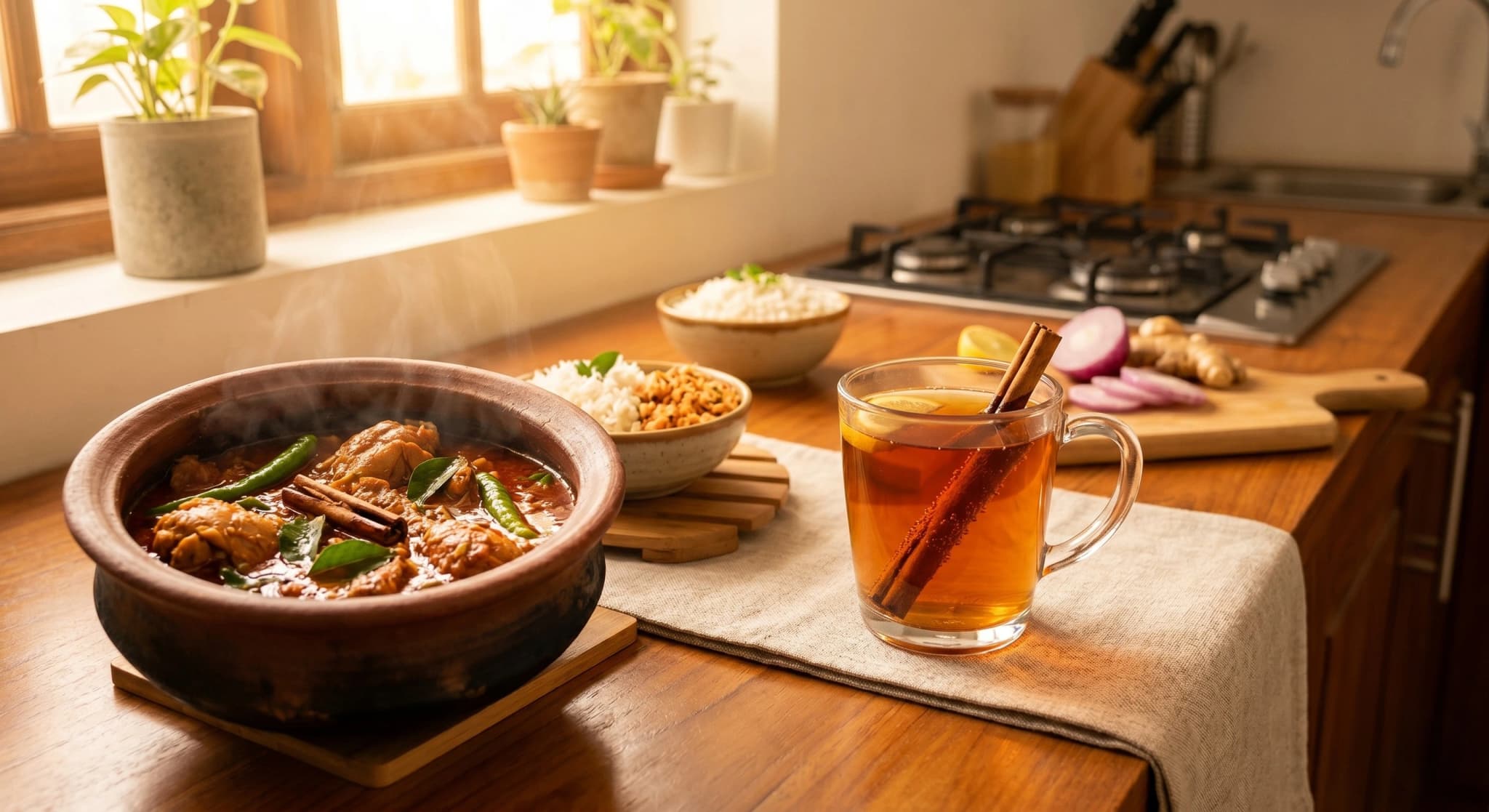
If you are making tea, desserts, spiced rice, curries, or baked goods, the type of cinnamon you use influences the final result. A gentler, more refined spice behaves differently from a heavier, harsher one.
Ceylon cinnamon is often preferred when the goal is balance. It adds warmth and fragrance without becoming overpowering. That makes it especially suited to cooking where the spice should support the dish rather than dominate it.
Why Serendiva Isle chooses Ceylon cinnamon
We chose Ceylon cinnamon because it represents the kind of spice we want our brand to stand for.
It is authentic to Sri Lanka. It has a long heritage. It offers a more refined flavour experience. And it reflects the difference that people can actually see, smell, and taste once they know what to look for.
For us, this is not about making cinnamon sound complicated. It is about helping people understand that some ingredients carry more character than others.
When you choose Ceylon cinnamon, you are choosing a spice with a distinct identity, not just a generic label.
Frequently asked questions
Is Ceylon cinnamon the same as true cinnamon?
Yes. Ceylon cinnamon is commonly referred to as true cinnamon.
Is cassia cinnamon real cinnamon?
Cassia is a type of cinnamon, but it is different from Ceylon cinnamon in structure, flavour, and character.
How can I tell whether cinnamon is Ceylon or cassia?
Look at the bark structure first. Ceylon cinnamon has multiple thin layers, while cassia is usually thicker and harder.
Why do many people prefer Ceylon cinnamon?
Many people prefer it for its softer aroma, more refined flavour, and distinctive layered quill structure.
Final thoughts
Not all cinnamon is the same.
Ceylon cinnamon and cassia cinnamon differ in structure, flavour, texture, and overall character. Cassia is more common in many places, but Ceylon cinnamon stands apart for its delicate layered quills, softer aroma, and more refined taste.
Once you learn to recognise real Ceylon cinnamon, it becomes much easier to understand why it is valued so highly.
At Serendiva Isle, we bring Ceylon true cinnamon from Sri Lanka to Malaysia because we believe spices should offer more than just familiarity. They should bring authenticity, quality, and real depth to everyday cooking.
Read more about the heritage of Sri Lankan spices.
Try Ceylon Cinnamon from Serendiva Isle
Sourced directly from Sri Lanka. Grade C5 quills with a soft, warm aroma.